
Outdoor clothing is easy to overbuy because every jacket, pant, sock, and shoe seems useful for a future trip. A better approach is to buy for the weather, terrain, and activities you actually do.
This guide builds on our broader outdoor gear without overbuying framework.
Best for
This guide is best for beginners, returning hikers, car campers, road-trip travelers, and men who want durable outdoor clothing without turning shopping into a second hobby.
It is also useful if you already own scattered pieces and want a cleaner system.
Skip if
Skip slow-buying when a specific trip has real weather or safety requirements. In that case, research the trip first and buy what the conditions require.
Also skip replacing everything at once. Your current closet may already cover more than you think.
What to look for
Look for clothing that solves a clear problem: wet feet, cold evenings, sun exposure, sweating, wind, or uncomfortable movement.
Avoid buying pieces just because they look outdoorsy.
Start with footwear
Footwear affects every mile, campsite chore, and travel day. If your current shoes work, keep using them. If they cause pain, slipping, or rubbing, upgrade there first.
Socks are part of this system, not an afterthought.
Add useful layers
A base shirt, warm mid layer, and weather shell can cover many casual trips.
Buy layers that work together and still feel wearable in normal life.
Upgrade after friction
Notice what goes wrong on real trips. Did you get cold at camp? Did your socks rub? Did rain soak your hoodie? Did pants restrict movement?
Those moments tell you what to buy next.
Tradeoffs
Premium clothing can last longer and feel better, but it is not automatically necessary for beginners.
Buy fewer pieces, use them often, and upgrade what earns its place.
Start simple, then upgrade what you actually use.
You do not need a garage full of gear to have a better weekend. Build a kit around the trips you already take.
Read the buying approachGear mentioned
Useful picks for this guide
Apparel & Footwear
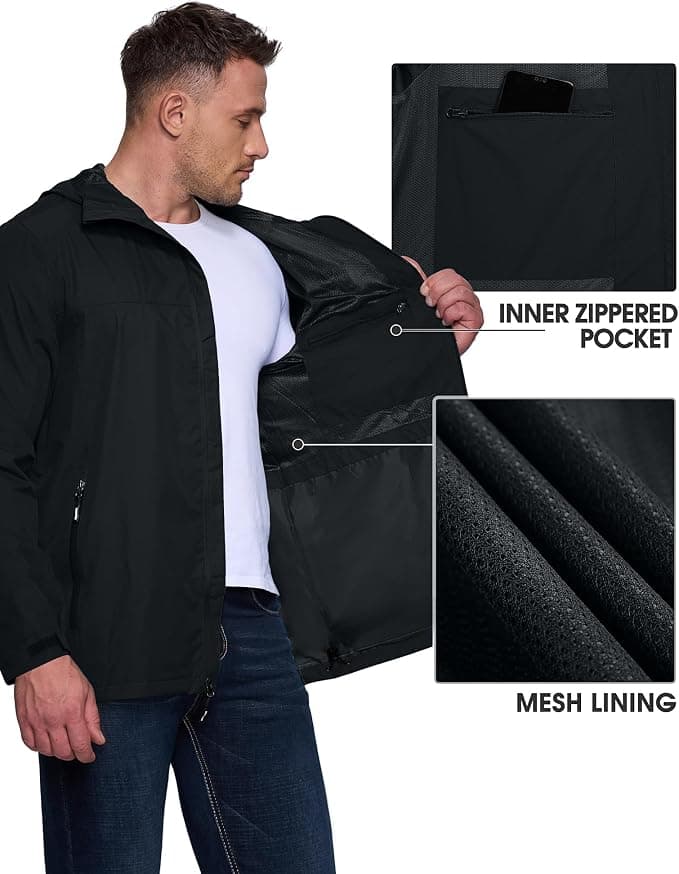
Outdoor Ventures Men's Packable Rain Jacket Waterproof Lightweight Raincoat with Hood
Best for
Day hikes, travel, camp chores, and unpredictable weekends
Good fit
- Small enough to keep packed
- Useful in town and outdoors
- Good beginner outer layer
Tradeoffs
- Breathability varies
- Not designed for every cold-weather setup
Apparel & Footwear
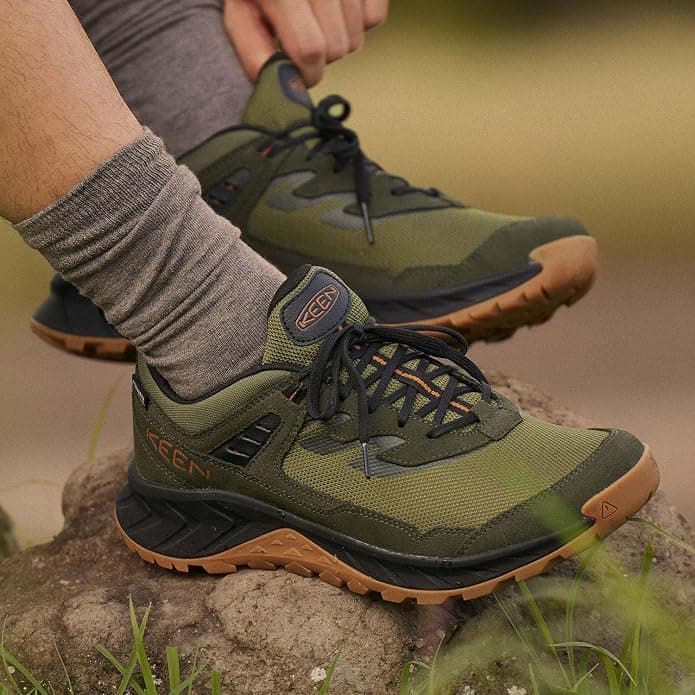
Mens Hightrail Waterproof Hiking Shoes
Best for
Park trails, travel days, light hikes, and everyday outdoor errands
Good fit
- More versatile than heavy boots
- Good for casual trails
- Easy to wear around town
Tradeoffs
- Less ankle support than boots
- Fit is highly personal
Compare the picks
Use this as a quick filter before you read individual product details.
| Product | Best for | Main tradeoff | Link |
|---|---|---|---|
| Outdoor Ventures Men's Packable Rain Jacket Waterproof Lightweight Raincoat with Hood | Day hikes, travel, camp chores, and unpredictable weekends | Breathability varies | View on Amazon |
| Mens Hightrail Waterproof Hiking Shoes | Park trails, travel days, light hikes, and everyday outdoor errands | Less ankle support than boots | View on Amazon |